
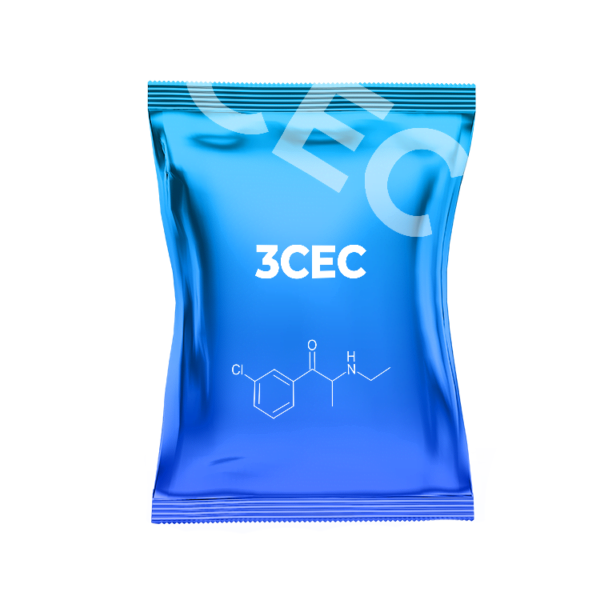
3-Chloroethcathinone (3-CEC) is a synthetic stimulant belonging to the cathinone chemical class. Furthermore, It is a structural analogue of ethcathinone and closely relates to other “research chemicals” like 3-MMC and 3-CMC.
Key Characteristics
Pharmacology: However Like most synthetic cathinones, 3-CEC is hypothesize to act as a monoamine transporter substrate. Thus It likely inhibits the reuptake and promotes the release of dopamine, norepinephrine, and serotonin. Thus leading to psychostimulant effects.
Physical Form: Also It is typically sold as a fine white powder or crystalline solid, often in its hydrochloride (HCl) salt form.
Effects: However it suggest effects such as euphoria, increased energy, sociability, and heightened libido.
Duration: Also The acute effects of its close relative 3-CMC last approximately 1 to 4 hours. Thus a similar timeframe is anticipate for 3-CEC.
Safety and Risks
As a “research chemical,” 3-CEC is not approve for human consumption and carries significant health risks.
Acute Toxicity:
Also Potential side effects include tachycardia (rapid heart rate), hypertension, anxiety, sweating, and insomnia.
Neurotoxicity: There is ongoing research into the potential for mitochondrial dysfunction and oxidative stress caused by these compounds.
Severe Complications: Overexposure to halogenate cathinones has been link to seizures, psychosis, and even fatal intoxications when use in high doses or combined with other substances.


Reviews
There are no reviews yet.